My Heritage and Identity
My name is Chandni Rajput. I’m a BACP-registered therapist, born and raised in Britain. I am British Indian, with an Indian diasporic family history spanning India, Kenya and Britain.
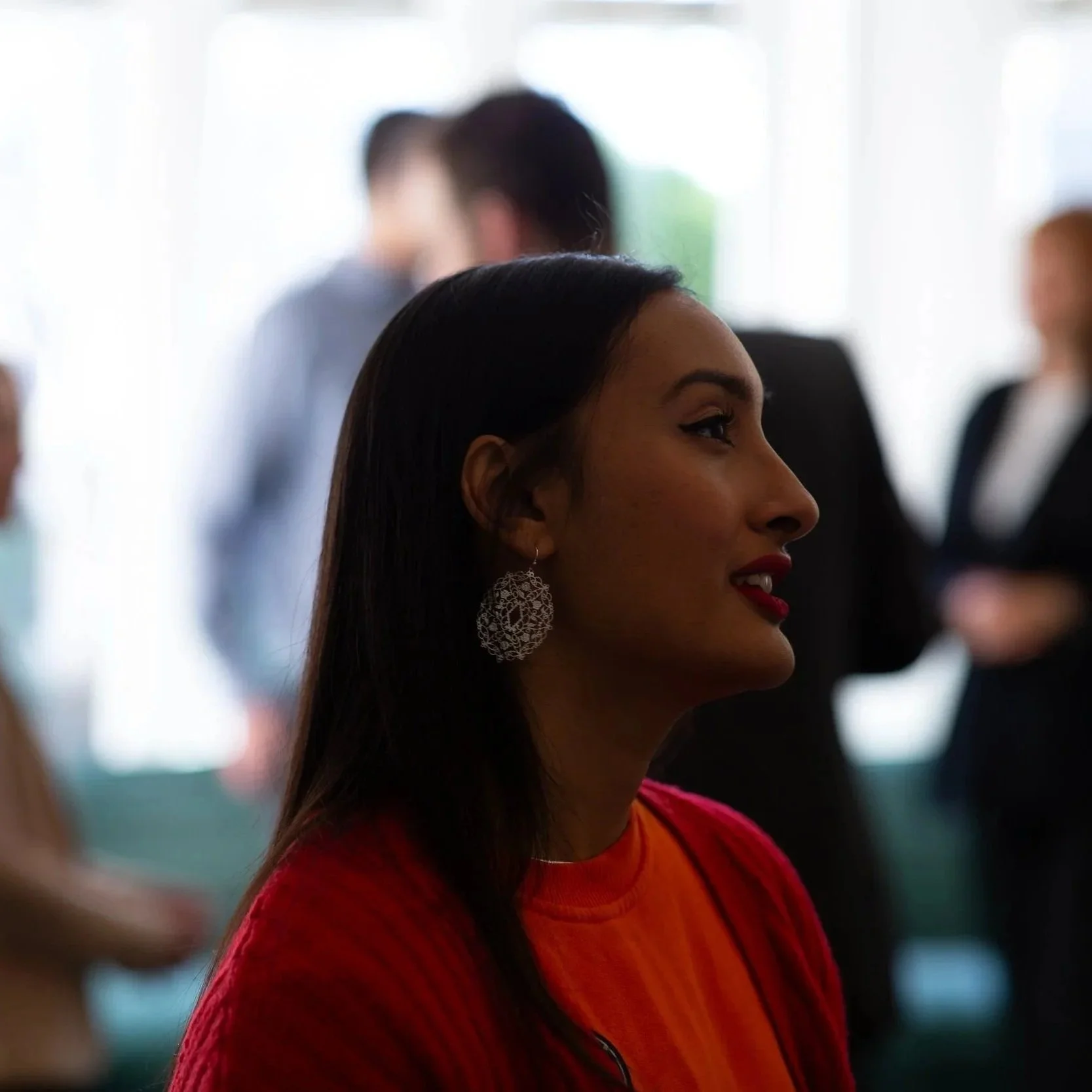
People come to counselling for many reasons — you might be feeling anxious, or stuck, or struggling at work or in relationships. Whatever brings you to me, I've found that having a therapist who understands your cultural and family context can be an important part of feeling comfortable and able to talk openly.
Being British Indian is part of who I am, but like many people, my relationship with culture doesn't fit neatly into a single label. Our identities are shaped by where we grew up, where our families came from and the cultures we live in.
For many clients, working with an Asian therapist can be particularly important. Shared cultural understanding can mean feeling less judged and more accepted as who you are — whether around family and community expectations, balancing different cultural values, or finding where you belong whilst living in the UK.
Cultural familiarity doesn't mean our experiences will be the same. Indian and Asian identities — and the experiences of people of colour more broadly — can differ enormously across culture, religion, tradition, family and individual experience. But having a therapist with cultural awareness can mean less explaining, fewer assumptions and more space to focus on you.
There are aspects of being a person of colour that I understand from lived experience, beyond what professional training alone can provide. If having a therapist who understands your cultural background matters to you, let's talk.
Not quite ready?
Learn more about how I work, or view my fees & services.